Hope for the Best: Where Handwritten Charm Meets Modern Branding
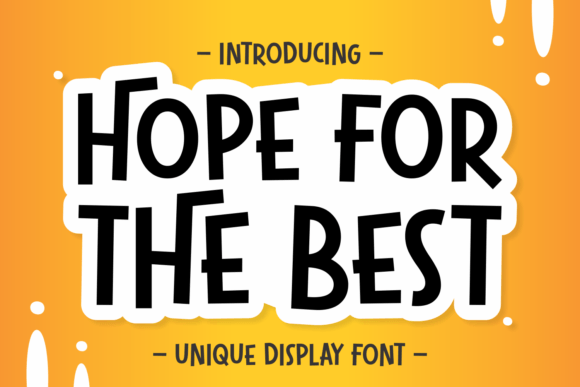
There is a specific visual language that speaks of optimism and approachability, a look that suggests a human hand is behind the design rather than a cold, automated algorithm. For creators and business owners looking to bridge the gap between professional polish and personal touch, typography is often the deciding factor. You need a typeface that feels fluid and energetic but remains legible enough for commercial applications. This is where the Hope for the Best display font enters the conversation, offering a blend of handwritten calligraphy aesthetics with a contemporary, bold structure that fits seamlessly into modern design workflows.
The visual appeal of this typeface lies in its distinct contrast. While many script fonts suffer from being too thin or overly complex, this option utilizes bold, fluid strokes that create an immediate visual impact. It mimics the irregularity and warmth of natural handwriting, which psychologically signals authenticity to an audience. However, it retains a modern twist that keeps it from looking like a casual note. It strikes a balance that is difficult to achieve: it feels artisanal yet confident. Whether you are designing a logo for a boutique coffee shop or crafting a header for a lifestyle blog, the font manages to be the center of attention without overwhelming the supporting elements of your layout.
Building a Memorable Brand Identity
For small business owners and entrepreneurs, consistency is the currency of brand recognition. When you select a premium font like this, you are choosing a cornerstone for your visual identity. Because it is easy to read yet artistic, it serves as a powerful tool for headlines where you need to stop a scrolling thumb or catch a wandering eye. Imagine this typeface used for a bakery’s signage or a wedding planner’s business cards; it immediately conveys a sense of care and creativity.
However, relying on a single typeface for all content can lead to visual fatigue. The key to utilizing a display font effectively is understanding its role in your typography hierarchy. Hope for the Best is designed to lead, not to follow. It excels in high-visibility areas such as:
- Logo Design: Creating a unique wordmark that feels personal and hand-crafted.
- Social Media Graphics: Adding a punch of personality to Instagram quotes or Pinterest pins where scroll-stopping power is essential.
- Website Headers: Setting an emotional tone immediately upon a visitor landing on your homepage.
When you use this font for these specific applications, you create a visual anchor that audiences can latch onto. It transforms standard marketing assets into something that feels bespoke. This is particularly vital for brands in the creative, beauty, or lifestyle sectors, where the "look and feel" is often as important as the product itself. By incorporating a handwritten style, you humanize your brand, making it more relatable and trustworthy to potential customers.
Practical Applications: From Packaging to Digital Products
The versatility of a well-designed script font extends far beyond a simple logo. If you are involved in packaging design, you know that the shelf appeal of a product is paramount. Hope for the Best can be used on labels for artisan goods, beauty products, or food packaging to evoke a homemade, high-quality vibe. Its bold strokes ensure that the product name remains legible even from a distance or in smaller print sizes, a common pitfall with thinner script fonts.
Furthermore, the rise of the creator economy has made digital products a significant revenue stream. If you are selling planners, e-books, or online courses, the typography you choose affects the perceived value of your content. Using a high-quality display typeface for chapter titles or section dividers elevates the production value of your digital assets. It signals to the buyer that they have purchased a professional-grade product.
Consider also the world of merchandise. T-shirts, tote bags, and mugs often rely on impactful typography because complex illustrations can be expensive to print. A font with fluid, artistic strokes allows for impactful merchandise design that is cost-effective to produce. It works beautifully for:
- Invitations: Setting a romantic or celebratory tone for weddings and events.
- Posters: Creating eye-catching announcements for sales or local events.
- Editorial Layouts: Breaking up the monotony of body text in magazines or lookbooks with expressive pull quotes.
Technical Features and Workflow Efficiency
A beautiful font can quickly become a frustration if it lacks technical depth. One of the standout features of this typeface is its PUA (Private Use Areas) encoding. For those who aren't deeply embedded in the technical side of typography, this essentially means that you have access to the full suite of creative tools without needing expensive design software to unlock them.
Often, standard fonts hide their best features—ligatures, swashes, and alternate characters—behind complex software panels. PUA encoding allows you to access all the delightful glyphs and swashes effortlessly, often through a simple character map. This is a massive time-saver for content creators and hobbyists who might be using simpler platforms or who want to quickly copy and paste a specific stylistic flourish into a design. It democratizes the design process, allowing you to add that extra flair—like a sweeping tail on a capital letter or a unique connection between two letters—without a steep learning curve.
Pairing and Readability: A Strategic Approach
While Hope for the Best is a powerhouse on its own, the mark of a sophisticated design lies in font pairing. Because this typeface is expressive and bold, it demands a partner that is quiet and structured. If you pair it with another ornate font, the result will be chaotic and unreadable.
The best practice for pairing a handwritten or script font is to combine it with a clean sans serif font or a simple serif font. For example, using a geometric sans serif for your body text provides a neutral canvas that allows the headers, written in Hope for the Best, to shine. This contrast creates a visual rhythm that guides the reader's eye naturally from the headline to the main content.
When testing your pairings, pay close attention to x-heights and weight. You want the body text to be highly legible, especially on mobile devices where screen real estate is limited. The display font handles the "emotion," while the body font handles the "information." This separation of duties ensures that your design remains functional. A beautiful header is useless if the audience cannot read the pricing or the call to action beneath it.
Ultimately, choosing the right typeface is about aligning your visual tools with your project goals. Whether you are a designer looking for a fresh asset, a marketer aiming to increase engagement, or a hobbyist working on a personal project, having a font that combines the charm of the past with the clarity of the present is invaluable. It allows you to communicate not just words, but feelings—ensuring your message is not only seen but felt.