Lemon Font: A Handwritten Style for Authentic Branding
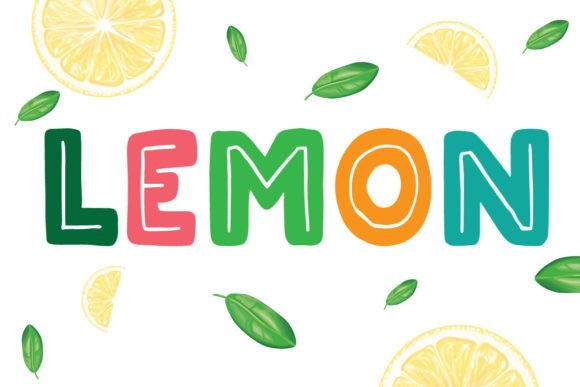
There’s a reason handwritten fonts never go out of style. They carry a human touch that crisp, geometric typefaces simply can’t replicate. When you see a logo or packaging design with a hand-lettered feel, it immediately communicates warmth, authenticity, and approachability. That’s exactly the space where the Lemon typeface thrives. This single-line display font captures the effortless charm of casual handwriting while maintaining the clarity needed for professional design work. Whether you’re building a brand from scratch or refreshing an existing visual identity, understanding how to use a font like Lemon effectively can transform your creative projects.
What Makes Lemon Stand Out in a Crowded Font Market
Walk through any design marketplace and you’ll find hundreds of handwritten fonts competing for attention. Many of them blur together—either too messy to read or so polished they lose their handcrafted character. Lemon strikes a different balance. Its single-line construction gives each letterform a clean, continuous stroke that feels both relaxed and intentional. There’s an organic rhythm to the letter spacing and baseline movement that mimics real handwriting without sacrificing legibility.
The font works beautifully at larger sizes, which makes it ideal for display purposes. Think headline text on a website hero section, a product name on artisanal packaging, or a wedding invitation header that needs to feel personal yet elegant. The slightly irregular baseline adds visual interest without creating chaos, and the consistent stroke weight ensures it reproduces well across different media—from screen to print.
What really sets this typeface apart is its versatility across creative contexts. A bakery might use it for their logo and menu boards. A lifestyle blogger could apply it to Instagram story templates and Pinterest graphics. A small-batch candle company might feature it on their label designs and thank-you cards. The font adapts to its surroundings while maintaining its distinctive personality.
Practical Applications Across Design Projects
Brand Identity and Logo Design
Your logo is often the first impression someone has of your business. A handwritten display font like Lemon can communicate that your brand values craftsmanship, individuality, and human connection. It works particularly well for businesses in food and beverage, wellness, beauty, lifestyle, and creative services. The key is pairing it thoughtfully—a handwritten logo headline paired with a clean sans-serif for body text creates visual hierarchy while keeping the overall design grounded and readable.
Packaging and Product Design
Product packaging tells a story before a customer ever reads the ingredients or description. Lemon’s casual elegance makes it perfect for artisanal and small-batch products. Imagine it on a jar of homemade jam, a bottle of cold-pressed juice, or a box of hand-poured soaps. The handwritten style suggests that real people made this product with care, which resonates strongly with consumers who prioritize authenticity over mass production.
Social Media and Digital Content
Scroll-stopping social media graphics rely on typography that feels immediate and personal. Lemon works exceptionally well for quote graphics, announcement posts, story overlays, and promotional banners. Its display characteristics ensure it remains legible even at smaller sizes on mobile screens, provided you use it for headlines and short phrases rather than lengthy paragraphs. Content creators often pair it with minimalist layouts to let the font’s personality take center stage.
Wedding and Event Stationery
Few design categories benefit more from handwritten typography than wedding invitations and event materials. Lemon brings a romantic, personal quality to save-the-dates, ceremony programs, menu cards, and place settings. Its single-line construction gives it a modern edge that keeps it from feeling overly traditional, making it suitable for contemporary wedding aesthetics ranging from rustic barn celebrations to minimalist city ceremonies.
Print Materials and Editorial Layouts
Magazines, lookbooks, and editorial spreads use display fonts to create visual anchors that guide readers through content. Lemon can serve as a pull-quote typeface, a chapter heading style, or a decorative accent in layouts that mix photography with text. When used sparingly and strategically, it adds personality to print materials without overwhelming the reading experience.
Websites and Blog Design
Web design benefits from typography that creates emotional connection. Using Lemon for homepage headlines, about-page introductions, or blog post titles can make a website feel more inviting and human. Just remember that handwritten fonts work best in limited doses online—reserve them for key moments where you want to draw attention or establish tone, and let a more neutral typeface handle the bulk of your body copy.
Pairing Lemon with Other Typefaces
Font pairing is where design skills really show. A handwritten display font needs complementary partners to create balanced, professional layouts. Here are some practical combinations that work well:
- Lemon + Clean Sans-Serif: Pair it with fonts like Montserrat, Open Sans, or Lato for body text. The contrast between organic handwriting and structured sans-serif creates visual clarity and modern appeal.
- Lemon + Classic Serif: Combine it with Georgia, Playfair Display, or Lora for a more editorial, sophisticated feel. This works beautifully for lifestyle brands and magazine-style layouts.
- Lemon + Minimal Sans-Serif: Use alongside ultra-clean fonts like Helvetica Neue or Futura for a contemporary, pared-back aesthetic that lets the handwritten element stand out as a focal point.
The general principle is simple: let Lemon do the talking in headlines and short phrases, then step back with a quieter typeface for everything else. This approach maintains readability while preserving the font’s expressive character.
Readability Considerations and Best Practices
Every creative font comes with usage guidelines worth respecting. Lemon performs best at medium to large sizes—typically 24 pixels and above on screen, or 18 points and above in print. At smaller sizes, the single-line construction can lose definition, making text harder to read. Use it for headlines, titles, logos, and short accent phrases rather than paragraphs or fine print.
Letter spacing and line height also matter. Handwritten fonts often benefit from slightly increased letter spacing to prevent characters from crowding each other. Similarly, generous line height prevents ascenders and descenders from colliding between lines. These small adjustments make a significant difference in both legibility and visual polish.
Color contrast is another factor worth considering. Lemon reads best against clean, uncluttered backgrounds. If you’re placing it over photography, consider adding a semi-transparent overlay or a solid color block behind the text to ensure clarity. On digital screens, high-contrast color combinations—dark text on light backgrounds or vice versa—help maintain readability across devices and viewing conditions.
Choosing the Right Font for Your Project Goals
Before committing to any typeface, take a moment to define what your project needs to communicate. Ask yourself these questions:
- What personality should my design convey? (Playful, elegant, casual, sophisticated)
- Who is my target audience, and what visual language resonates with them?
- Where will this font appear most often? (Screen, print, merchandise)
- How much text will this font need to handle?
- Does this font pair well with my existing brand assets or design system?
Lemon answers the call when your project needs warmth, authenticity, and a handcrafted sensibility. It’s not the right choice for legal documents, technical manuals, or dense body copy—but that’s not what display fonts are designed for. Its strength lies in creating emotional moments within a larger design ecosystem.
Final Thoughts on Working with Handwritten Display Fonts
The best design decisions happen when aesthetics align with strategy. A font like Lemon gives you a tool for creating genuine emotional connection with your audience, whether you’re designing a logo for a new business, crafting social media content that builds community, or developing packaging that tells your product’s story. Use it intentionally, pair it thoughtfully, and always test your designs at the sizes and contexts where they’ll actually appear. The result is typography that doesn’t just look good—it works hard for your brand and resonates with the people you’re trying to reach.