Taroom: Capturing Vintage Charm for Modern Design Projects
There's a certain magic in vintage typography that digital-age fonts often struggle to replicate. It’s not just about looking old; it’s about feeling authentic, carrying a story, and evoking a specific emotion. Taroom is an enchanting vintage display font that does exactly this, bringing the timeless charm of the early to mid-20th century to contemporary design. Inspired by classic typography, it exudes a sense of nostalgia and captures the essence of old-world craftsmanship, making it a powerful tool for anyone looking to add depth and character to their visual projects.
A Typeface with a Story to Tell
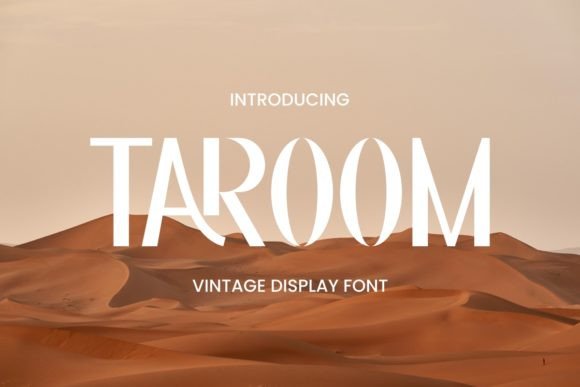
What makes Taroom visually appealing is its thoughtful balance. It’s not a slavish copy of a single historical style but a curated blend of classic influences. You’ll notice the sturdy, grounded forms of a reliable serif font, combined with subtle, elegant curves that hint at Art Deco flair or mid-century signage. The letterforms have a slight handmade quality, avoiding the sterile perfection of some modern typefaces. This gives it warmth and personality, making it feel less like a computer-generated asset and more like a discovered artifact. It’s a premium font that understands its heritage, offering designers a bridge between the past and present without sacrificing clarity.
Where Vintage Meets Versatility: Practical Applications
The true test of any creative font is how it performs in the wild. Taroom’s display nature makes it ideal for headlines, logos, and branding elements where you need to make an immediate, memorable impact. Imagine it on a craft brewery’s label, instantly conveying tradition and quality. Picture it as the cornerstone of a boutique hotel’s brand identity, suggesting timeless elegance and personalized service. For small business owners and entrepreneurs, this typeface can become the visual shorthand for your brand’s story.
Beyond core branding, its applications are remarkably diverse:
- Packaging Design: Stand out on shelves with a font that communicates artisanal quality and heritage. It works beautifully for gourmet foods, cosmetics, spirits, and handmade goods.
- Editorial & Print Layouts: Use it for magazine mastheads, book titles, or feature article headlines to instantly set a nostalgic, authoritative, or classic tone.
- Digital Presence: While a display font, Taroom can be used strategically on websites for hero sections, subheadlines, or pull quotes to break the monotony of body text and add visual interest. It’s perfect for blogs focused on history, lifestyle, or craftsmanship.
- Marketing & Social Media: Create scroll-stopping graphics for Instagram, Pinterest, or Facebook. Its distinct look helps your content stand out in a crowded feed, improving brand recognition and audience engagement.
- Physical & Digital Products: From wedding invitations and event posters to merchandise like t-shirts and tote bags, and even digital products like ebook covers or online course graphics, Taroom adds a layer of professional, curated design.
Beyond Aesthetics: Building a Cohesive Visual Language
Choosing a font like Taroom is more than an aesthetic decision; it’s a strategic one for your brand identity. Consistency is key in marketing, and having a distinctive typeface as part of your toolkit ensures all your communications feel unified. When a customer sees your logo, your social media post, and your packaging, the consistent use of a font with such a strong personality helps build instant recognition.
However, a beautiful display font is only one part of the typography equation. Readability is paramount. Taroom is designed for impact at larger sizes, but for body copy or longer paragraphs, you’ll need a reliable partner. This is where font pairing becomes essential. Consider pairing Taroom with a clean, neutral sans serif font for body text. The contrast will make the headline pop while ensuring the supporting text remains easy to read. Alternatively, for a more classic feel, a simple, highly legible serif font could work well. The goal is to create a hierarchy where Taroom commands attention for key messages, and its partner font handles the detailed information seamlessly.
Making the Most of Your Font Investment
Before integrating any new typeface into your workflow, a few practical steps can save time and ensure success. First, always review the full character set and included styles. Taroom, as a comprehensive display font, may include alternates, ligatures, or multiple weights (like Regular, Bold, or Italic) that can expand your creative options. Experiment with these features in your design software.
Next, test rigorously. Place the font in the context of your actual project. How does it look on a mobile screen versus a printed brochure? Does it maintain its character when scaled down slightly for a sub-headline? Get feedback from others on its readability and emotional impact. Finally, always check the licensing. For any commercial project—whether for a client or your own business—ensure you have the appropriate license. A premium font like Taroom typically comes with a commercial license, but it’s crucial to understand the terms for things like logo usage, merchandise, or digital products to avoid any legal hiccups down the line.
In a landscape saturated with generic, algorithm-friendly typefaces, choosing a font with authentic vintage appeal is a deliberate choice to stand out. Taroom offers a bridge to a rich typographic history, providing designers, creators, and business owners with a tool to craft visuals that feel both timeless and deeply personal. It’s not about replicating the past, but about borrowing its best qualities—craftsmanship, character, and charm—to tell your own modern story with clarity and style.