September: A Handwritten Font That Feels Like Home
There’s a certain warmth to the month of September. It’s the crisp air of a new season, the cozy feeling of a favorite sweater, the gentle return to routine after a summer of adventures. Capturing that feeling in a design can be tricky, but the right typography can do it instantly. Imagine a font that doesn’t just display words, but conveys a mood—one of authenticity, approachability, and a touch of nostalgia. That’s the quiet power of a well-crafted handwritten typeface, and it’s exactly the kind of tool that can transform a project from simply looking good to feeling right.
The Gentle Power of a Handwritten Style
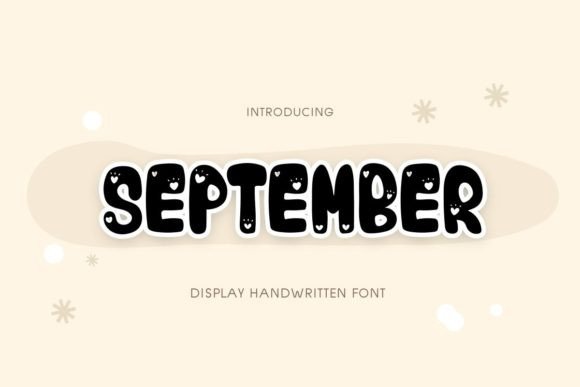
September is a minimal and friendly handwritten display font. Its natural and unique style makes it incredibly fitting to a large pool of designs. The only limit is your imagination! What sets it apart in a sea of script fonts is its balance. It’s not overly ornate or difficult to read; instead, it feels like a genuine, slightly stylized pen stroke. This quality makes it a versatile asset rather than a one-trick pony. You’ll find it works beautifully as a headline for a blog post, adds personality to a logo, or makes a social media quote feel personal and relatable.
When you’re building a brand identity, consistency is key. A font like September can become a signature element that ties everything together. Think of a small-batch candle company using it for their product labels, their website headers, and their thank-you notes. The consistent use of this friendly typeface builds recognition and reinforces the brand’s story of being handcrafted and thoughtful. It’s a subtle but powerful way to communicate your brand’s personality before a customer even reads a word of your copy.
Where This Creative Font Truly Shines
Practical application is where a font proves its worth. Let’s break down some specific scenarios where a handwritten font like this can solve design challenges and elevate your work.
For logo design and brand identity, it offers an instant human touch. It’s perfect for businesses that want to appear approachable and authentic—think local bakeries, boutique studios, independent consultants, or lifestyle blogs. Paired with a clean sans serif font for body text, it creates a beautiful contrast that is both professional and personal.
In packaging design, it can make a product feel special. Use it for the product name on a artisanal jam jar, a craft beer label, or a handmade soap wrapper. It suggests care and craftsmanship, helping your product stand out on a crowded shelf. The same principle applies to merchandise like tote bags, mugs, or t-shirts, where a short, impactful phrase set in a friendly script can become a wearable statement.
Digital spaces benefit enormously from this warmth. For social media graphics, it’s ideal for creating engaging quote cards, story highlights, or promotional banners that don’t feel cold or corporate. On a website or blog, use it for section headers or pull quotes to break up text and add visual interest. It guides the reader’s eye and makes the content feel more curated and less monotonous.
Don’t overlook print materials and invitations. Wedding invitations, event flyers, or even a simple thank-you card gain an intimate quality. For editorial design, such as a magazine feature or a book cover, it can add a layer of personality to headlines and callouts. Even in digital products like printable planners, worksheets, or e-book covers, this typeface can make the design feel more user-friendly and less intimidating.
Choosing and Pairing: Practical Tips for Perfect Results
Finding a great premium font is the first step; using it effectively is the next. Here’s how to integrate a handwritten style like September into your projects with confidence.
Consider the Context and Pairings. A handwritten font is a display style, meaning it’s meant for headlines and short bursts of text, not long paragraphs. Always pair it with a highly readable serif or sans serif font for body copy. For a modern, clean look, try pairing it with a geometric sans serif. For a more traditional or elegant feel, a classic serif can work beautifully. The contrast ensures your design is both stylish and functional.
Test for Readability at Scale. Before finalizing, view your design at the size it will be used. A script that looks charming on a business card might become illegible as a website hero banner. Check the clarity of letterforms, especially for words with tricky combinations like “th,” “ll,” or “er.” September’s minimal style helps here, but always do a real-world test.
Review the Included Styles. Many quality fonts come with more than just the base alphabet. Look for bonus features like alternate characters, ligatures (special combined letterforms), or swashes. These extras allow you to customize the look further, ensuring your text doesn’t appear repetitive and adding a unique flair to specific letters.
Understand Licensing for Commercial Use. This is a non-negotiable step for any professional project. If you’re using a font for a client’s logo, a product you sell, or marketing materials, you need a commercial font license. This isn’t just a legal formality; it supports the type designers who create these tools. Always read the license agreement to know what’s permitted, whether it’s for print, digital, or merchandise.
Bringing It All Together
The true value of a typeface like September lies in its ability to bridge the gap between a digital design and a human emotion. It’s a tool for visual storytelling, allowing you to inject personality, warmth, and authenticity into your work. Whether you’re a small business owner crafting your first brand identity, a content creator looking to make your graphics more engaging, or a designer seeking a versatile asset for your toolkit, the right handwritten font can be a game-changer. It reminds us that great design isn’t just about what’s seen; it’s about what’s felt.