San Diego: A Friendly Font for Modern Branding
There’s a certain warmth that comes with a handcrafted note, a feeling of genuine connection that mass-produced text often misses. The San Diego typeface captures that exact sentiment, translating the relaxed yet confident vibe of a coastal city into a visual language. It is a display font that avoids the stiffness of corporate sans-serifs while steering clear of overly whimsical scripts. For designers and business owners looking to bridge the gap between professional polish and approachable charm, this typeface offers a distinct solution. It isn't just about legibility; it’s about tone. When you use San Diego, you are signaling that your brand or project values clarity, friendliness, and a modern aesthetic that feels current without being trendy to the point of expiration.
The Anatomy of Approachability
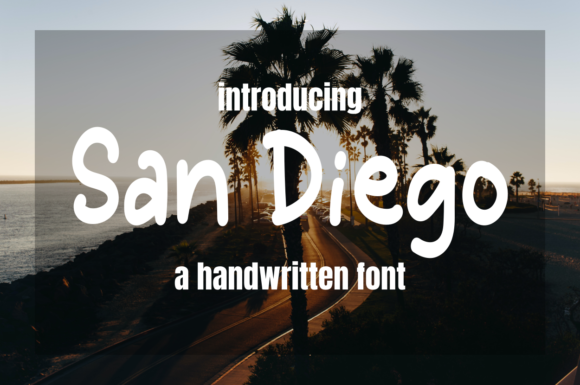
What makes a typeface feel "friendly"? It often comes down to the geometry of the letterforms. Fonts that feel cold or aggressive usually rely on sharp corners and rigid verticals. San Diego takes a different route, incorporating softer edges and balanced spacing that invites the eye to linger rather than scan quickly. This modern typography choice is particularly effective for projects where readability is paramount, but boring is not an option. It possesses a rhythm that makes reading long-form text on screens or print feel less like a chore and more like a conversation.
Unlike a heavy serif font that might feel too traditional, or a rigid sans serif font that can feel too clinical, this creative font sits in a sweet spot. It is refined enough for a wedding invitation but sturdy enough for a website header. For the small business owner, this versatility is a massive asset. You don't always have the budget to license a dozen different typefaces for every season. Having a premium font like San Diego in your toolkit allows you to maintain a consistent brand identity across various touchpoints—from a business card handed out at a networking event to a large-scale banner at a trade show.
Practical Applications: From Packaging to Pixels
The true test of any design asset is how well it performs in the real world. San Diego excels in environments where you need to make an immediate impact. Consider logo design; a logo needs to be memorable and scalable. The distinct character of this font ensures that a brand mark stands out in a crowded market, whether it is embroidered on a shirt or displayed as a favicon in a browser tab. It provides that "trendy touch" mentioned in its description, but it does so with enough structural integrity that it won't look dated in two years.
For those involved in packaging design, the stakes are even higher. A product on a shelf has only a few seconds to grab a consumer's attention. The legibility of San Diego makes it an excellent choice for product names or taglines. It reads well against complex backgrounds or busy photography, which is a common struggle with more ornate script fonts or handwritten fonts. If you are selling artisanal goods, cosmetics, or lifestyle products, this typography helps convey quality and care without looking pretentious.
Beyond physical products, the digital landscape is where this font truly shines. Web design requires typefaces that render crisply across different screen resolutions. San Diego maintains its personality on high-definition mobile screens just as well as it does on desktop monitors. It is an asset for social media graphics, where stop-scrolling power is essential. Whether you are creating quote cards for Instagram, thumbnails for YouTube, or headers for a newsletter, the font adds a layer of professionalism and style that generic system fonts simply cannot match.
Strategic Pairings and Typography Tips
One of the most common questions in editorial design and marketing is how to handle font pairing. A display font like San Diego is designed to catch the eye, usually best suited for headlines, sub-headers, and call-outs. However, using a display font for body copy can sometimes lead to fatigue for the reader. To get the most out of this typeface, pair it with a clean, neutral companion. A simple sans serif font for your body text creates a beautiful contrast, allowing the personality of San Diego to pop in the headers without overwhelming the page.
When working on marketing assets such as brochures or posters, hierarchy is your best friend. Use San Diego to establish the primary message. Because it is a display font, it carries a strong voice, so use it sparingly to maximize its effect. For example, in a direct mail flyer, the headline "Grand Opening" in San Diego feels inviting and exciting, whereas the details about the address and time can be set in a standard text weight for ease of reading.
For digital products like e-books or online courses, the cover and chapter titles are prime real estate for this typeface. It sets the mood immediately. If you are a content creator or blogger, consider using it for your main site logo or your Pinterest pin templates. It helps build a cohesive visual language that your audience will start to recognize instantly, boosting brand recognition over time.
Licensing and Final Considerations
When investing in typography, it is crucial to understand the licensing. Most commercial font licenses are divided into desktop and web usage. Desktop licenses typically cover installation on your computer for creating static images (like PDFs, logos, and print materials), while web licenses cover embedding the font into your site's CSS using @font-face. Always double-check the specific End User License Agreement (EULA) associated with San Diego to ensure your intended use—whether it is for a client project, merchandise, or a mobile app—is fully covered.
Ultimately, choosing a font is about finding a voice for your visual communication. San Diego offers a voice that is articulate, modern, and welcoming. It bridges the gap between the casual nature of a handwritten font and the authority of a traditional serif. Whether you are designing a wedding suite, branding a new startup, or refreshing your social media presence, this typeface provides the flexibility and charm needed to make your designs feel both professional and deeply human. It’s a reminder that good design doesn't have to be complicated to be effective; sometimes, it just needs to feel right.