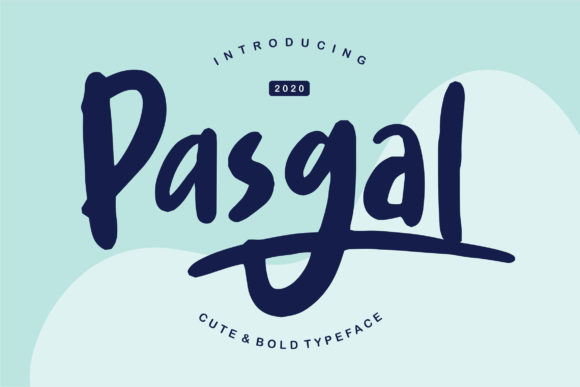
Pasgal: A Display Font That Brings Fresh Energy to Modern Design
There's a certain energy that comes from typography that doesn't try too hard. Pasgal captures that feeling perfectly—a display font with a cute, genuine personality that manages to feel both approachable and stylish at the same time. If you've been scrolling through font libraries looking for something that works for urban aesthetics, trendy branding, or creative projects that need a bit of character, this typeface deserves a closer look.
What sets Pasgal apart from the hundreds of other display fonts competing for attention? It comes down to well-marked characters. Each letter carries enough distinction to stand on its own while still working harmoniously within words and sentences. That balance is harder to find than you might think. Many decorative fonts sacrifice clarity for style, but Pasgal keeps both intact, making it genuinely useful across a surprising range of applications.
Where Pasgal Fits in Your Creative Toolkit
Think about the last time a piece of packaging caught your eye in a store, or a social media post made you stop scrolling. Chances are, the typography played a bigger role than you realized. Pasgal works especially well in contexts where you want to communicate warmth and authenticity without looking amateur. It's the kind of typeface that a small-batch skincare brand might use on its labels, or a neighborhood café could adopt for its menu and signage.
For logo design, Pasgal offers a distinct advantage. Its letterforms are memorable without being gimmicky. A logo needs to be recognizable at a glance—whether it's printed on a business card or displayed as a tiny favicon in a browser tab. The clean character markings in Pasgal help maintain that legibility across sizes, which is something many display fonts struggle with.
Consider these practical applications where this font genuinely shines:
- Brand identity systems that need a friendly, contemporary voice
- Packaging design for artisan products, food items, or lifestyle goods
- Social media graphics where you need text overlays that feel organic rather than corporate
- Website headers and hero sections that set the tone for a modern brand
- Blog titles and editorial layouts for lifestyle, fashion, or creative niches
- Invitations and event materials that call for something playful yet polished
- Merchandise like tote bags, t-shirts, and stickers
- Marketing assets including flyers, posters, and digital ads
- Digital products such as planners, worksheets, and e-book covers
The Visual Character Behind the Typeface
Pasgal sits in an interesting space between casual and refined. It doesn't have the rough edges of a handwritten font, but it avoids the stiffness of traditional serif fonts or corporate sans serif fonts. That middle ground is exactly what makes it versatile. Urban-inspired design often relies on typography that feels lived-in and real, and Pasgal delivers that impression through its subtle curves and consistent weight distribution.
When you're choosing a premium font for a project, the personality of the typeface needs to match the message you're sending. A law firm obviously wouldn't use the same font as a streetwear brand. Pasgal communicates approachability, creativity, and a certain youthful confidence. It's well suited for audiences that value authenticity—think millennials and Gen Z consumers who respond to brands that feel genuine rather than overly polished.
The modern typography landscape has shifted toward fonts that feel human. After years of minimalism and geometric perfection, there's a growing appetite for typefaces with personality. Pasgal taps into that shift without going overboard. It's expressive enough to create visual interest but controlled enough to remain professional.
Pairing Pasgal with Other Fonts
No font exists in isolation. Even the best display font needs complementary typefaces for body text, captions, and supporting copy. One of the practical strengths of Pasgal is how well it plays with others. Its character and warmth create a natural hierarchy when paired with a clean sans serif font for paragraphs and longer reading passages.
Here are a few pairing strategies worth testing:
- Pasgal for headlines + a geometric sans serif for body text. This combination works well for websites and blogs where you want the headings to pop while keeping the reading experience comfortable.
- Pasgal for logos + a simple serif for editorial layouts. The contrast between the playful display type and the structured serif creates visual tension that feels intentional and sophisticated.
- Pasgal for primary branding + a monospaced font for accents. This unexpected pairing can give a brand a tech-forward yet approachable feel, especially for digital products and apps.
The key with font pairing is to create contrast without conflict. You want the fonts to feel like they belong together even though they're different. Testing your combinations at multiple sizes—especially the smaller ones—helps you catch readability issues before they reach your audience.
Practical Considerations Before You Commit
Before integrating any creative font into a project, a few practical steps can save you headaches down the road. First, check what styles and weights are included. Some design assets come with bold, italic, or condensed variations that give you more flexibility within a single typeface family. Knowing what's available upfront helps you plan your layouts more effectively.
Readability should always be a priority, even with display fonts. Pasgal's well-marked characters help, but context still matters. A font that looks gorgeous at 48 pixels on a poster might become hard to read at 14 pixels in a mobile navigation menu. Always test your typography in the actual environment where it will appear—not just in your design software at full zoom.
Licensing is another detail that deserves attention. If you're working on commercial font projects—client work, products for sale, or branded materials—make sure the license covers your intended use. Most premium font licenses are straightforward, but it's worth confirming whether the terms include things like embedding in digital products, using on merchandise, or distributing within client brand guidelines.
Building Stronger Brands Through Thoughtful Typography
Typography is one of the most powerful tools in brand identity, yet it's often treated as an afterthought. The fonts you choose become part of how people recognize and remember your brand. Consistent use of a typeface like Pasgal across your touchpoints—website, social channels, packaging, printed materials—builds a visual language that audiences learn to associate with your business.
For small business owners and independent creators, this consistency doesn't require a massive budget. It requires intention. Choosing one or two fonts and using them deliberately across everything you produce creates a sense of professionalism that builds trust. Pasgal, with its distinctive yet versatile character, gives you a strong foundation to work from whether you're designing a new brand from scratch or refreshing an existing one.
The best typography decisions happen when you balance aesthetic preference with strategic thinking. Pasgal looks great, sure—but it also communicates the right things to the right people. That combination of visual appeal and practical function is what separates a good font choice from a great one. Take the time to experiment, test in context, and let the typeface do what it does best: give your work a voice that people actually want to listen to.