Strayer: The Graffiti Font That Brings Bold Confidence to Design
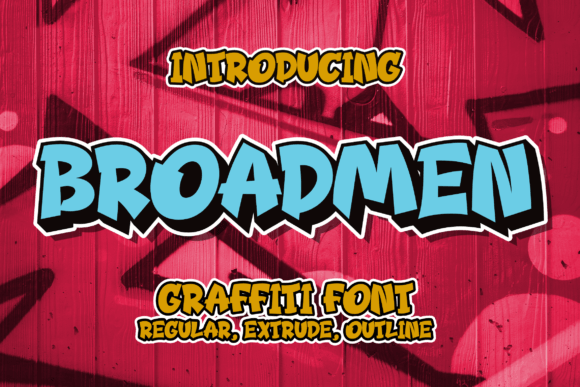
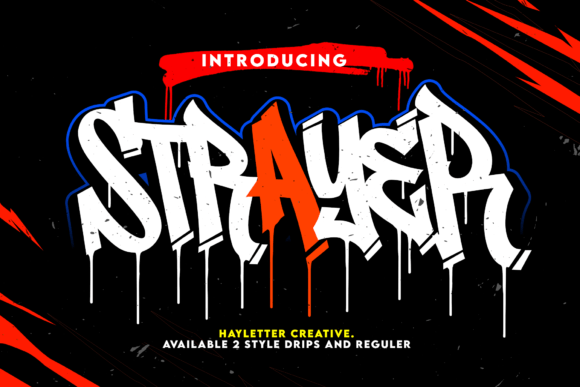
There's a certain energy that comes from street art—the raw confidence of a spray-painted tag on a brick wall, the way paint drips catch your eye and refuse to let go. Strayer captures that unmistakable spirit and packages it into a typeface you can actually use. Inspired by the street graffiti marker paint drips with sharp shapes, this Graffiti-style display font will add a touch of confidence to any design! But beyond the aesthetic punch, there's real practical value here for anyone working on branding, creative projects, or visual communication.
What Makes Strayer Stand Out From Other Display Fonts
Strayer isn't trying to be everything to everyone, and that's precisely what makes it useful. The letterforms carry that unmistakable urban edge—think sharp angles meeting fluid paint drips, bold strokes that feel hand-rendered but consistent enough for professional use. Each character has personality without sacrificing the kind of cohesion you need when setting headlines, logos, or branding elements.
What separates a good display font from a forgettable one is how well it communicates a mood at a glance. Strayer communicates confidence, creativity, and a certain rebellious energy. It doesn't whisper. It makes a statement. For designers working with brands that want to project strength, individuality, or urban culture relevance, this kind of visual voice is genuinely hard to find in premium font libraries.
Where Strayer Actually Works Well in Real Projects
The practical applications for a font like this are broader than you might initially think. Yes, it's a natural fit for streetwear brands, music labels, skateboard companies, and urban lifestyle products. But the versatility extends further when you start thinking about contrast and context.
Logo design is one of the strongest use cases. A bold, graffiti-inspired wordmark can anchor an entire brand identity, especially when paired with a clean sans serif font for body text. Think about how brands like Supreme or Obey built their visual identity around strong typographic choices. Strayer gives you that same kind of visual authority.
Packaging design benefits from typefaces that stop someone mid-scroll or mid-aisle. Whether you're designing for a craft hot sauce brand, a limited-edition sneaker box, or artisanal coffee packaging, Strayer adds shelf presence that more conventional fonts simply can't match.
Social media graphics are another sweet spot. Instagram stories, YouTube thumbnails, TikTok overlays—these platforms reward bold, eye-catching visuals. A display font with this much personality helps your content stand out in crowded feeds without relying solely on photography or illustration.
For poster design and event promotion, whether it's a music festival, gallery opening, or community event, Strayer brings the kind of visual energy that feels authentic rather than corporate. It's also effective for merchandise like t-shirts, tote bags, and stickers where typography itself becomes the primary design element.
Even in unexpected places like editorial layouts or digital products—think ebook covers, course branding, or podcast artwork—a well-placed graffiti-style headline font can create visual interest and signal a particular creative sensibility to your audience.
Getting the Most Out of Font Pairings and Readability
Here's where practical experience matters more than theory. Strayer is a display typeface, which means it's designed for impact at larger sizes. You wouldn't set a paragraph of body copy in it, and that's perfectly fine. The best display fonts know their role.
For font pairing, contrast is your friend. A clean sans serif like Montserrat, Inter, or even a straightforward serif like Lora creates a natural hierarchy when combined with Strayer's expressive letterforms. The display font handles headlines and focal points while the supporting typeface handles everything that needs to be read quickly and comfortably.
Think about your typography as a team. Strayer is the player who makes the highlight reel, but the supporting font is the one that keeps the whole operation running smoothly. Neither works well alone in most design contexts.
Readability considerations matter even with display fonts. At small sizes, the paint drip details might get lost or create visual noise. Test your designs at the actual size they'll be viewed—on a phone screen, on a printed business card, on a billboard mockup. What looks incredible at 200 pixels tall might need adjustments at 40 pixels.
Color and contrast also play a role. Strayer's sharp shapes and drip details read best against clean, high-contrast backgrounds. Busy backgrounds with competing textures can dilute its impact. Give the font room to breathe and it rewards you with genuine visual authority.
Building Brand Recognition With the Right Typeface
Consistency is the engine of brand recognition. When you choose a distinctive typeface and use it systematically across touchpoints—your website headers, your social media templates, your packaging, your email graphics—you create a visual thread that audiences start to associate with your brand before they even read the words.
Strayer works particularly well for brands in creative industries, lifestyle spaces, entertainment, food and beverage, and any business that wants to project approachability with an edge. The graffiti-inspired aesthetic signals authenticity and creative confidence, which resonates with audiences who are tired of overly polished, corporate-feeling design.
For small business owners and entrepreneurs, investing in a quality commercial font is one of the most cost-effective branding decisions you can make. A single typeface that captures your brand's personality can unify years of marketing materials, from your initial business cards to your eventual product packaging and digital advertising.
Before committing, review what's included with the font. Check for multiple weights, stylistic alternates, and special characters that give you flexibility across different applications. Test it in your specific context—mock up a few real projects before finalizing your choice. Does it work for your logo? Does it pair well with your existing brand elements? Does it communicate what you need it to communicate?
Commercial licensing is worth understanding upfront. If you're using a font for client work, merchandise, or products you sell, make sure your license covers those uses. Most premium font licenses are straightforward, but it's better to verify before you're deep into a project.
When Bold Typography Makes the Difference
Design is ultimately about communication. Every visual choice you make either reinforces your message or distracts from it. A typeface like Strayer makes sense when your message is about confidence, creativity, individuality, or energy. It makes less sense when you're designing a legal document or a medical brochure—and knowing that distinction is part of good design judgment.
The most effective designers and brand builders don't chase trends or collect fonts randomly. They build a thoughtful toolkit of design assets that serve specific purposes. A strong display font, a reliable body font, a complementary script or handwritten option—these pieces work together to create a flexible, professional visual system.
Strayer earns its place in that toolkit when you need a typeface that carries genuine visual weight and personality. It's not trying to be subtle. It's not trying to blend in. It's the kind of font that makes someone stop scrolling, pick up a product, or remember a brand name. And in a landscape where attention is the scarcest resource, that kind of typographic confidence is worth having on your side.