Kasukagi: The Display Font That Marries Tradition with Modern Edge
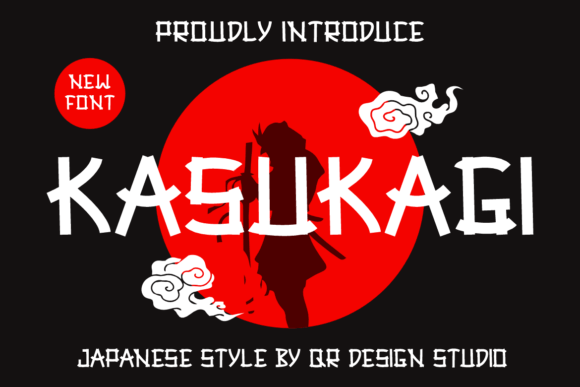
There’s a particular power in a typeface that feels both ancient and entirely new. It doesn’t just display words; it communicates a story, a mood, a cultural depth that a generic font simply cannot. For designers and creators seeking that authentic Japanese aesthetic—one that balances bold confidence with intricate elegance—finding the right typographic voice can transform a project from ordinary to unforgettable. This is the space where Kasukagi lives, a display font that doesn’t merely mimic Japanese style but embodies its spirit through meticulously crafted, strong strokes.
More Than Just Letters: Capturing the Essence of Japanese Calligraphy
At its core, Kasukagi is a study in contrasts and harmony. It draws directly from the rich traditions of Japanese calligraphy, where each stroke is intentional, carrying weight and flow. Yet, it translates these principles into a digital typeface that feels robust and contemporary. The characters are designed with a confident hand, avoiding delicate fragility in favor of a statement-making presence. This isn’t a font that whispers; it speaks with authority. This balance makes it incredibly versatile. It can anchor a luxury brand with its sophistication or give an indie project an edgy, culturally aware vibe. The visual appeal lies in this duality—it’s a premium font that feels both refined and accessible.
Practical Applications: Where Kasukagi Truly Shines
Understanding a font’s personality is one thing; knowing how to apply it effectively is another. Kasukagi’s bold, display-oriented nature makes it ideal for situations where you need to grab attention and establish a strong visual identity. Here’s where it can make a real difference in your work:
- Branding & Logo Design: For businesses in the wellness, culinary, fashion, or artisan space, Kasukagi can form the backbone of a brand identity. It works beautifully for logotypes, especially when paired with a clean sans serif font for body text. Imagine a high-end sushi restaurant or a minimalist skincare line using this font—it immediately communicates authenticity and quality.
- Packaging & Merchandise: On a product label, tote bag, or mug, Kasukagi’s strong strokes ensure legibility while adding a distinct artistic flair. It helps products stand out on a shelf or in an online store, telling a story before the customer even reads the description.
- Posters & Editorial Layouts: This is where Kasukagi excels as a creative font. Use it for event posters, magazine headlines, or book covers to create a dramatic focal point. Its structure holds up well at large sizes, making every headline a piece of graphic art.
- Digital Presence: In the realm of web design and social media graphics, a distinctive font can combat the scroll. Use Kasukagi for hero section headlines, impactful quote graphics on Instagram, or as a stylistic element in YouTube thumbnails to build instant recognition.
Achieving Visual Cohesion and Professional Polish
One of the biggest challenges in design is creating a unified look across various touchpoints. A well-chosen typeface like Kasukagi acts as a consistent thread. When used strategically, it enhances visual consistency, whether you’re designing a suite of marketing assets, a series of digital products, or a set of elegant wedding invitations. This consistency directly feeds into stronger brand recognition. Your audience starts to associate that unique, confident lettering with your message, building familiarity and trust.
Furthermore, while it’s a display font, careful consideration of readability is key. Kasukagi is designed for impact, not for long paragraphs of text. Its strength lies in headlines, short phrases, and logos. Pairing it intelligently with a highly readable body font—like a neutral serif font or a simple sans serif font—is crucial. This pairing creates a visual hierarchy that guides the viewer’s eye, making your layouts not only beautiful but also functionally clear and professional.
Making It Work: Practical Tips for Using Kasukagi
Integrating a new typeface into your workflow requires a bit of strategy. Here are some actionable tips to get the most out of Kasukagi:
- Define Its Role First: Before you even open your design software, decide what job Kasukagi will do. Is it for the main headline? The logo? A decorative accent? Having this clarity prevents overuse and maintains its impact.
- Test Font Pairings Rigorously: Don’t settle for the first combination you try. Experiment with different weights and styles of complementary fonts. A classic combination might be Kasukagi with a geometric sans serif like Montserrat or a clean serif like Lora. See how they interact in terms of size, weight, and spacing.
- Explore the Included Styles: Check if the font family comes with variations—like different weights or stylistic alternates. These can provide subtle flexibility within your typography system while keeping the core aesthetic intact.
- Always Consider the Context: A font that works brilliantly on a poster might need adjustment for a website. Consider viewing distances, screen resolutions, and the overall medium. Test your designs at various sizes to ensure the character details remain clear and effective.
- Verify the License: If you’re using Kasukagi for commercial projects—client work, merchandise for sale, or paid digital products—always confirm the font’s licensing terms. Understanding whether it’s a commercial font with proper permissions is a non-negotiable step in professional practice.
In a landscape saturated with generic typefaces, choosing a font with a distinct point of view is a strategic decision. Kasukagi offers a direct connection to a powerful visual tradition, packaged in a format ready for today’s creative demands. It’s not about following a trend; it’s about leveraging timeless aesthetics to create work that feels both authentic and boldly present. When you need your typography to do more than just convey information—to set a tone, tell a story, and command attention—this is a typeface worth serious consideration.