Why the Retro Book Font Feels Like a Handwritten Hug for Your Brand
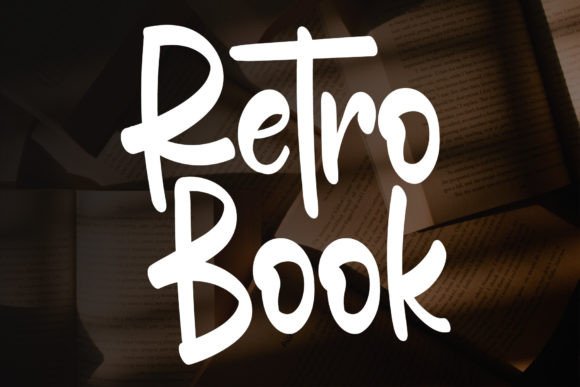
There's a particular charm in something that feels genuinely made by hand. In a landscape saturated with sleek, geometric sans-serifs and perfectly polished serifs, a font with personality can feel like a breath of fresh air. That's the immediate appeal of Retro Book. It's not trying to be the most serious or the most technical typeface in your toolkit. Instead, it offers something arguably more valuable: instant warmth, approachability, and a dash of playful nostalgia. Imagine the friendly scrawl of a note passed in class or the inviting lettering on a vintage children's book cover—Retro Book captures that sweet, slightly whimsical spirit in a way that feels both familiar and fresh.
A Typeface with a Dance in Its Step
What sets this particular display font apart is its deliberate lack of rigidity. The characters aren't locked onto a strict, invisible line. Instead, they seem to dance gently along the baseline, each letter with its own subtle sway. This organic movement is the core of its visual appeal. It avoids the stiffness that can sometimes make even the best typography feel cold or impersonal. The result is a typeface that communicates friendliness and creativity before a single word is read. For designers and brand builders, this is a powerful tool. It allows you to infuse a project with a human touch instantly, signaling to your audience that there's a real person or a passionate story behind the brand.
Think about the projects where a sterile, corporate font would feel out of place. A local bakery's menu, a wedding invitation suite, the branding for a handmade jewelry shop, or the cover of an indie author's first novel. These are scenarios where connection is key. Retro Book, as a creative font, steps in as a perfect solution. Its sweet and cute demeanor doesn't shout; it warmly invites. It suggests craftsmanship, care, and a personality that's approachable rather than aloof.
Putting Retro Book to Work: From Brand Identity to Social Posts
The true test of any premium font is its versatility in real-world applications. Where does a handwritten font like this shine? The list is surprisingly long, making it a valuable asset in your design assets library.
- Branding & Logo Design: It’s an excellent choice for the primary wordmark or logotype for businesses in the lifestyle, food, craft, or boutique service sectors. Paired with a simple sans serif font for body text, it creates a balanced and memorable brand identity.
- Packaging Design: On product labels, boxes, and tags, this font adds artisanal charm. It can make a jar of jam or a candle box feel more personal and gift-worthy.
- Social Media Graphics: For Instagram quotes, story highlights, or Pinterest pins, Retro Book grabs attention with its friendly vibe. It’s perfect for creating graphics that feel relatable and engaging, boosting audience interaction.
- Editorial & Blog Layouts: Use it for pull quotes, section headers, or article titles in magazines, blogs, and newsletters to break up monotony and inject energy into a layout. It works beautifully in editorial design.
- Print Materials: Think business cards, flyers for a local event, thank-you notes, and posters. Its legibility at larger sizes makes it ideal for these applications.
- Invitations & Stationery: This is a natural fit. Wedding invitations, baby shower announcements, and party invites benefit from its celebratory and personal feel.
- Digital Products & Merchandise: From eBook covers to T-shirt designs and tote bags, the font translates well to both digital and physical merchandise, adding a unique selling point.
More Than Just Pretty Letters: The Strategic Benefits
Choosing a font like Retro Book isn't just an aesthetic decision; it's a strategic one that can influence how your audience perceives and interacts with your content.
First, it fosters visual consistency. When you use a distinct typeface across your website, social media, and print materials, you create a cohesive look that reinforces your brand's personality at every touchpoint. This consistency is a cornerstone of strong brand recognition. People begin to associate that friendly, dancing script with your business.
Second, it enhances audience engagement. A font with personality can make content feel more approachable and less intimidating. A blog post with Retro Book headers feels more conversational than one set entirely in a stark, modern typeface. This can encourage readers to stay longer and connect more deeply with your message.
Third, it contributes to professional presentation. This might seem counterintuitive—how can a "cute" font be professional? The key is context and pairing. When used thoughtfully as a headline or accent font alongside a clean, readable body font (like a serif font or sans serif font), it demonstrates sophisticated modern typography skills. It shows you understand how to balance personality with clarity.
Smart Pairing and Practical Considerations
To get the most out of a characterful typeface like Retro Book, a few practical tips are worth considering.
Font Pairing is Everything: Never use a display font like this for long paragraphs of body text. Its charm would become a readability nightmare. The rule of thumb is to pair it with something simpler. A classic serif like Lora or a clean sans-serif like Montserrat creates a beautiful contrast, allowing Retro Book to headline while the supporting font handles the heavy lifting of body copy. Always test your pairings in the context of your actual content.
Readability First: While it's highly legible for short bursts of text at larger sizes, be mindful of contrast and background complexity. Ensure there's enough breathing room around the text, especially on busy images or patterns. Its legibility is a strong point, but good design practices still apply.
Check the Included Styles: A good commercial font often comes with more than just the basic letters. Look for extras like alternates, ligatures, and multilingual support. These features give you more creative flexibility to customize headings and avoid repetitive letter shapes, making your designs feel even more unique.
Understand the License: Before using any font in a commercial project—whether it's for a client, a product you sell, or your own business—review the licensing terms. Most premium fonts offer licenses for specific uses (desktop, web, app, etc.). Ensuring you have the correct license protects you legally and supports the designers who create these valuable tools.
In the end, Retro Book is more than just a script font. It's a design tool for injecting humanity, warmth, and a touch of joyful nostalgia into your projects. It reminds us that effective communication isn't just about the words we choose, but about the feeling those words evoke. For the designer, the entrepreneur, or the creator looking to build a connection, it offers a friendly, handwritten hug that can make all the difference.