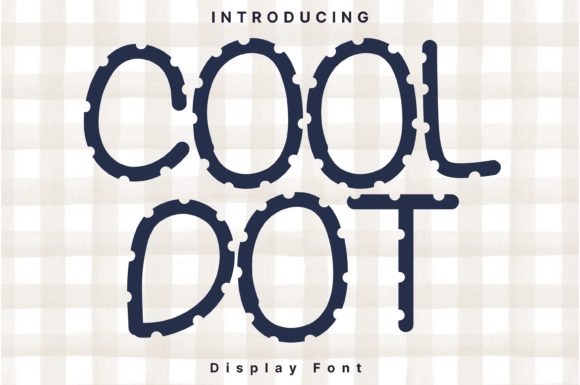
Why Cool Dot Is the Whimsical Handwritten Font Your Projects Need
There's a certain magic in typography that feels human. When letters carry the warmth of a hand-drawn sketch, they don't just communicate words—they convey personality, approachability, and a sense of creative authenticity. That's exactly the energy a font like Cool Dot brings to the table. It's a playful, handwritten display typeface that doesn't take itself too seriously, yet delivers serious impact across a wide range of creative work. If you've been searching for a typeface that adds character without sacrificing versatility, this one deserves a closer look.
A Typeface with Personality Built In
Cool Dot isn't your standard corporate font. It leans into the charm of hand-lettering, with slightly irregular strokes, friendly curves, and a casual rhythm that feels like it was sketched by a real person. That organic quality is what makes it so effective in contexts where you want to connect with an audience on a human level. It's the kind of handwritten font that works beautifully when you need your design to feel approachable rather than rigid, creative rather than clinical.
What sets it apart from other display fonts is its balance. Some whimsical typefaces can be hard to read at smaller sizes or look too childish for professional use. Cool Dot sidesteps those issues. It maintains legibility while still delivering that distinctive, fun personality. Whether you're working on a logo design for a boutique brand or creating social media graphics for a lifestyle blog, it adapts naturally to the tone of the project.
Where Cool Dot Really Shines
One of the most practical things about this creative font is its range. It's not locked into a single use case. Designers, entrepreneurs, and content creators can put it to work across dozens of different applications without it ever feeling out of place. Here are some of the areas where it tends to make the strongest impression:
- Branding and brand identity: If your brand leans toward the playful, artisanal, or approachable side, Cool Dot can become a signature part of your visual language. Think bakeries, children's clothing lines, handmade goods shops, or creative agencies that want to stand out from the sea of minimal sans serif logos.
- Packaging design: On product labels, boxes, and wrapping, this typeface adds a tactile, crafted quality that signals care and creativity. It's especially effective for small-batch or indie brands competing on shelf presence.
- Invitations and event materials: From wedding invitations to birthday party flyers, Cool Dot brings warmth and personality that formal typefaces simply can't match.
- Merchandise and apparel: Tote bags, mugs, t-shirts—any surface where a hand-lettered look adds instant charm. It's the kind of font that makes people smile when they see it.
- Editorial layouts and blogs: Pull quotes, headers, and section titles come alive with a handwritten display font. It draws the eye and breaks up the monotony of body text in long-form content.
- Digital products and marketing assets: Whether it's an ebook cover, a lead magnet PDF, or an email header, Cool Dot adds a distinctive touch that helps your materials feel polished yet personal.
- Posters and signage: At larger sizes, the font's personality really comes through. It's perfect for event posters, sale announcements, or storefront signage where you need to grab attention quickly.
How the Right Font Choice Strengthens Your Work
Typography isn't just decoration—it's communication. The fonts you choose directly affect how people perceive your brand, your message, and your credibility. A premium font like Cool Dot isn't about spending money for the sake of it. It's about having a design asset that actually works hard for you.
When your visual identity is consistent across platforms, people start to recognize your brand faster. That recognition builds trust. And trust is what turns a casual viewer into a loyal customer or follower. Using a distinctive typeface across your website headers, Instagram posts, product tags, and printed materials creates a cohesive look that feels intentional and professional—even if you're a solo creator working from your kitchen table.
Readability matters too, and this is where many decorative fonts fall short. Cool Dot handles the challenge well. Its letterforms are clear enough to read at moderate sizes, making it practical for web design headers, blog titles, and short blocks of display text. That said, like any display font, it's not designed for long paragraphs of body copy. Pair it with a clean sans serif font or a classic serif font for body text, and you've got a combination that looks great and reads easily.
Practical Tips for Working with Display Fonts
If you're newer to working with modern typography, here are a few things worth keeping in mind as you bring Cool Dot—or any handwritten display typeface—into your projects:
- Match the font to the project's personality. Not every font works for every project. Cool Dot is ideal for brands and designs that want to feel friendly, creative, and approachable. If your project demands formality or authority, a different style might be a better fit.
- Test your font pairings. Display fonts rarely work alone. Try combining Cool Dot with a simple body font and see how the two interact. The contrast between a playful header and a clean body creates visual hierarchy that guides the reader's eye.
- Check readability at multiple sizes. What looks gorgeous at 48 pixels might become difficult to read at 14. Always test your typography at the sizes it will actually appear in your final design.
- Review the included font styles. Many premium fonts come with alternates, ligatures, or multiple weights. Take the time to explore what's included—you might find stylistic options that give you even more flexibility.
- Understand the licensing. If you're using a font for commercial work—client projects, products for sale, or paid marketing—make sure the license covers that use. It's a small detail that saves big headaches later.
Making Your Creative Ideas Stand Out
The difference between a design that blends in and one that gets noticed often comes down to typography. A handwritten font like Cool Dot gives you a tool that's both expressive and functional. It doesn't just look good in a mockup—it performs in real-world applications, from a small business owner designing their first product label to a content creator building a recognizable brand on social media.
The best part is that it doesn't require a design degree to use effectively. With a little attention to pairing, sizing, and context, Cool Dot can become a reliable part of your creative toolkit. It's the kind of design asset you reach for again and again because it consistently delivers results—whether that's a more engaging Instagram feed, a more memorable logo, or a printed piece that people actually hold onto.
If your current projects feel a little flat or you're looking for a way to inject more personality into your visual communication, experimenting with a font like this is one of the simplest changes you can make. Typography shapes perception more than most people realize, and having the right typeface in your collection opens up creative possibilities you might not have considered before.