The Impossible Font: Where Elegance Meets Everyday Design
There's a particular magic in a handwritten font that feels both personal and polished. Impossible captures that balance beautifully—it's a display typeface with an elegant, flowing touch that brings warmth and sophistication to any project. Whether you're designing a brand identity, crafting social media posts, or putting together wedding invitations, this font offers a distinct style that stands out without shouting. It's the kind of typeface that makes people pause and take a closer look, which is exactly what good design should do.
Understanding the Visual Personality of Impossible
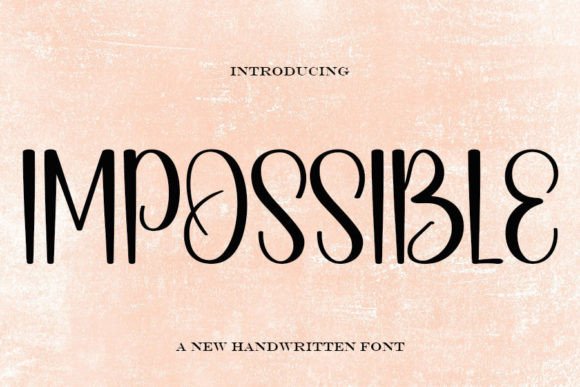
At its core, Impossible is a handwritten font with a refined character. Unlike casual brush scripts that lean heavily into a rustic or playful vibe, this typeface carries a timeless quality. The letterforms have a natural flow, with subtle variations in stroke weight that mimic the organic feel of pen on paper. Yet there's a consistency in its rhythm that keeps it looking intentional rather than messy.
What makes it visually appealing is the way it balances expressiveness with legibility. Many handwritten fonts sacrifice readability for style, but Impossible manages to maintain clear letter shapes even at smaller sizes. The ascenders and descenders are gracefully extended, giving words a sense of movement, while the overall spacing keeps text from feeling cramped. It's a font that looks as good on a business card as it does on a large-format poster.
For designers who appreciate the details, the subtle ligatures and alternate characters add depth. These small touches allow you to customize the look of headlines or logos, creating a more bespoke feel without needing to hand-letter every word. It's these kinds of thoughtful design elements that elevate a font from functional to genuinely special.
Practical Applications Across Creative Projects
One of the strengths of a font like Impossible is its versatility. It's not limited to one type of project or industry. Here's where it tends to shine:
- Branding and Logo Design: If you're building a brand that values elegance, creativity, or a personal touch, Impossible can serve as a primary or secondary typeface. It works particularly well for boutique businesses, lifestyle brands, artisan products, and creative studios. Pair it with a clean sans serif for body text, and you've got a visual identity that feels both approachable and professional.
- Packaging Design: Think about the last time a product label caught your eye on a shelf. Handwritten fonts often play a key role in that initial attraction. Impossible's refined style makes it suitable for premium packaging—think cosmetics, gourmet foods, candles, or specialty beverages. It communicates care and quality without feeling overly formal.
- Social Media Graphics: In a feed full of generic text overlays, a distinctive font helps your content stand out. Use Impossible for quote graphics, promotional announcements, or story highlights. Its elegant curves photograph well and maintain clarity across different screen sizes.
- Websites and Blogs: While body text generally calls for a more neutral typeface, Impossible works beautifully for headers, pull quotes, and featured text sections. It adds personality to a blog layout or landing page without overwhelming the reader. Just be mindful of size—display fonts like this are designed to be seen, so give them room to breathe.
- Print Materials: From business cards and letterheads to brochures and flyers, this font brings a human element to printed collateral. It's especially effective for event-based materials like invitations, menus, and programs where a personal touch matters.
- Merchandise and Products: If you're selling apparel, mugs, tote bags, or stationery, Impossible can become part of your product design. Its handwritten quality makes phrases and slogans feel more intimate, which can increase the emotional connection customers have with your merchandise.
- Editorial and Digital Products: Magazine layouts, e-book covers, online course materials, and digital downloads all benefit from thoughtful typography. Impossible can frame a chapter title, highlight a key message, or add visual interest to an otherwise text-heavy page.
Making Typography Work for Your Brand
Choosing a font isn't just about finding something that looks nice—it's about finding something that communicates the right message. Typography is one of the most powerful tools in visual communication, and yet it's often overlooked by small business owners and content creators who focus primarily on imagery or copy.
Think of your font choices as part of your brand's voice. A handwritten display font like Impossible tells your audience that you value creativity, warmth, and attention to detail. It suggests a human touch in a world of automated content. That's a meaningful distinction, especially for businesses and creators who want to build genuine relationships with their audience.
When selecting a font for a project, start by defining the mood you want to convey. Is your brand modern and minimal? Classic and luxurious? Playful and energetic? Impossible fits naturally into aesthetics that lean toward elegance with personality. It's not the right fit for every project—a tech startup might prefer a geometric sans serif, for example—but for brands and creators in lifestyle, beauty, food, fashion, or creative services, it's a strong choice.
Another practical consideration is font pairing. A display font like Impossible works best when it's complemented by a more neutral typeface for longer passages of text. Consider pairing it with a simple serif or sans serif font that won't compete for attention. The contrast between the two creates visual hierarchy, guiding the reader's eye to the most important information first. Test your pairings at different sizes and on different backgrounds to make sure they hold up in real-world conditions.
Readability, Licensing, and Getting the Most from Your Font
Even the most beautiful font loses its impact if people can't read it. With handwritten and script fonts, readability is always worth testing carefully. Impossible performs well in this regard, but there are a few best practices to keep in mind. Avoid using it for long paragraphs of body text—display fonts are designed for headlines and short bursts of text. For anything longer than a sentence or two, switch to a more neutral typeface. Pay attention to contrast as well; light-colored text on a busy background can become difficult to read, regardless of the font.
Size matters too. Handwritten fonts often need to be set slightly larger than traditional serif or sans serif fonts to maintain clarity. What looks elegant at 48 pixels might become illegible at 14. Always preview your designs at the actual size they'll be seen, whether that's on a phone screen, a printed brochure, or a storefront sign.
Before committing to a font for a commercial project, take a moment to review the licensing terms. Many premium fonts come with specific usage rights—some allow unlimited personal and commercial use, while others may require an extended license for certain applications like merchandise or large-scale distribution. Understanding these terms upfront saves headaches later and ensures you're using design assets responsibly.
Finally, explore the full range of styles and characters included with the font. Many premium typefaces offer multiple weights, alternates, or stylistic sets that can dramatically change the look of your text. Spending a few extra minutes experimenting with these options can lead to a more unique and polished final result.
Typography might seem like a small detail in the grand scheme of a project, but it has an outsized impact on how your work is perceived. A font like Impossible gives you a tool that's both beautiful and functional—one that can help your designs feel more cohesive, your brand more memorable, and your message more compelling. The key is to use it thoughtfully, pair it wisely, and always keep your audience's experience at the center of your decisions.