Street Hustle Font: Bold Type for Brands That Demand Attention
You know the feeling when you see a piece of design that just feels alive? Maybe it's a poster plastered on a city wall, a logo on a skateboard deck, or a social media ad that stops your thumb mid-scroll. That energy doesn't happen by accident—it starts with the right typography. If you're building a brand or creating visuals that need to hit hard and fast, the typeface you choose carries more weight than most people realize. It sets the mood, tells a story before anyone reads a single word, and either draws people in or lets them pass right by.
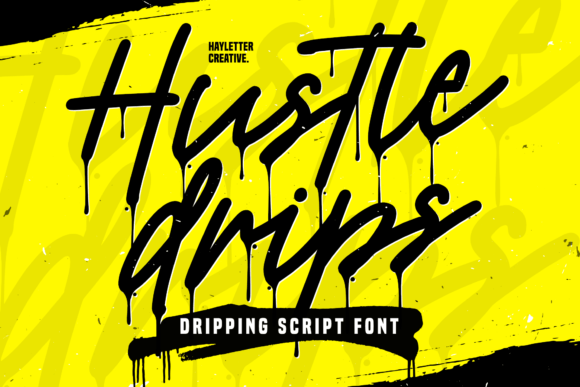
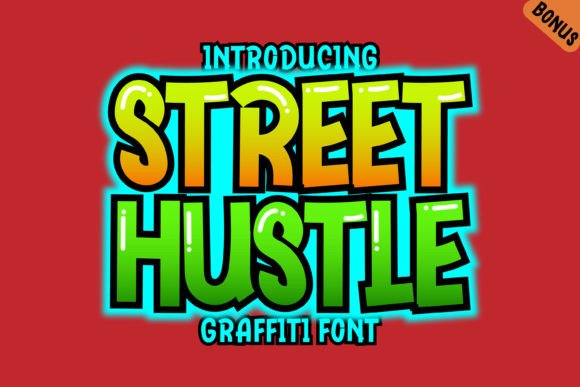
Street Hustle Font brings that kind of raw, urban energy to the table. It's a display typeface built around bold, graffiti-inspired letterforms that feel confident and unapologetic. The lines are thick, the shapes are distinctive, and the overall personality is unmistakably modern. This isn't a font that whispers—it speaks up. For designers, entrepreneurs, and creators working on projects that need visual punch, it offers a way to inject character into headlines, logos, and marketing materials without relying on overused templates or generic sans serif fonts.
What Makes This Typeface Stand Out
Every font has a personality, and the personality of Street Hustle Font leans into street culture, youth energy, and creative rebellion. The letterforms feature angular edges, dynamic curves, and a sense of movement that feels hand-painted rather than mechanically generated. That's a crucial distinction. Many display fonts try to mimic graffiti or urban art but end up looking stiff or cartoonish. This one strikes a balance—it's stylized enough to be distinctive but clean enough to remain legible at larger sizes.
The visual weight is consistent throughout the character set, which means you won't run into awkward spacing issues or letters that look out of place next to each other. That consistency matters more than people think, especially when you're working on logo design or branding projects where every element needs to feel cohesive. A single misaligned or oddly weighted letter can throw off an entire composition.
What also helps is the range of styles typically included with a premium font like this. Many versions come with alternate characters, ligatures, or stylistic variations that give you flexibility. You might use the standard style for a headline on a website and switch to a slightly different variation for merchandise or packaging design. Having those options built in saves time and keeps your creative workflow moving.
Where This Font Actually Works
Let's talk about real applications, because a font is only as useful as the projects you can actually apply it to. Street Hustle Font shines in contexts where you need to grab attention quickly and communicate a bold, energetic vibe. Here are some specific scenarios where it fits naturally:
- Logo design for streetwear brands, urban lifestyle companies, fitness studios, music labels, or any business that wants to project confidence and edge.
- Packaging design for products targeting younger demographics—think energy drinks, snack brands, grooming products, or specialty foods with a modern, rebellious angle.
- Social media graphics where you're competing against hundreds of other posts in someone's feed. A bold typeface can be the difference between getting noticed and getting scrolled past.
- Poster and flyer design for events, concerts, pop-up shops, product launches, or community gatherings. Large-format printing is where display fonts truly come alive.
- Merchandise like t-shirts, hats, tote bags, and stickers. Typography-driven apparel is a massive market, and a font with strong visual identity can become the centerpiece of an entire product line.
- Website headers and hero sections where you want to make an immediate impression. Pair it with a clean sans serif font for body text, and you've got a layout that feels both dynamic and readable.
- Digital products such as e-books, online course materials, or downloadable templates for creators who want their work to look polished and intentional.
- Invitations and editorial layouts for projects that lean creative—magazine covers, event programs, zines, or portfolio presentations.
The key is matching the font to the context. A graffiti-inspired typeface might feel out of place on a law firm's letterhead, but it's perfect for a sneaker brand's Instagram story. Understanding your audience and the message you're trying to send is half the battle in typography.
Pairing It With Other Fonts
One of the most practical skills in design is learning how to combine typefaces effectively. Street Hustle Font works best as a headline or display font, which means it needs a partner for body copy. You're looking for contrast without conflict.
A clean, geometric sans serif font pairs well because it provides breathing room. Think of fonts like Montserrat, Poppins, or Inter for paragraphs, captions, and secondary text. The simplicity of those typefaces lets the display font do its job without competing for attention.
You could also experiment with a simple serif font if your project calls for a slightly more refined feel. The contrast between a bold, urban display typeface and a traditional serif can create an interesting visual tension that feels editorial and sophisticated.
Script fonts and handwritten fonts are trickier to pair with something as bold as Street Hustle Font. Both styles compete for attention, and the result can feel cluttered. If you do want to incorporate a script element, keep it small and use it sparingly—maybe as an accent word or a tagline rather than a full heading.
The best approach is always to test your pairings in context. Mock up a social media post, a business card, or a website layout before committing. What looks good in a font preview doesn't always translate to a real design with images, colors, and other elements in play.
Readability and Practical Considerations
Display fonts live and die by their readability at intended sizes. Street Hustle Font is designed for large-scale use—headlines, banners, logos—where the bold shapes and distinctive character are fully visible. It's not meant for paragraphs of body text at 12 pixels. Using it that way would undermine both its visual impact and the reader's experience.
When you're working on web design, pay attention to how the font renders across different screen sizes and devices. A headline that looks incredible on a desktop monitor might lose detail on a smaller phone screen. Test at multiple breakpoints and adjust sizing accordingly.
For print projects, consider the medium. A bold display font on coated paper stock looks different than on uncoated or textured paper. The ink absorption and surface texture can soften or sharpen the letterforms in ways that affect the final result. If you're producing packaging or merchandise, request a physical proof before a full production run.
Color contrast is another factor that directly impacts readability. Light text on a dark background, or vice versa, needs enough contrast ratio to be accessible. Bold fonts like this one handle reversed-out text well, but always check against accessibility guidelines if you're designing for a broad audience.
Building a Brand Identity Around Bold Typography
Typography is one of the most powerful tools in brand identity, yet it's often treated as an afterthought. The fonts you choose become part of how people recognize and remember your brand. Consistent use of a distinctive typeface across your logo, website, social media, packaging, and print materials builds familiarity over time.
If your brand personality is energetic, creative, and unconventional, a font like Street Hustle Font can anchor your entire visual identity. Use it for your primary headlines and lockups, pair it with complementary fonts for supporting text, and apply it consistently across every touchpoint. Over time, your audience starts associating that typographic style with your brand—even before they read the words.
This is especially valuable for small businesses and entrepreneurs who are still establishing their presence. You might not have a massive advertising budget, but you can create a cohesive, professional visual identity with the right design assets. A premium font that fits your brand's personality is one of the smartest investments you can make in your creative toolkit.
Just make sure to review the licensing terms before purchasing any commercial font. Most premium fonts come with licenses that cover specific use cases—desktop, web, app, or merchandise. Understanding what's included ensures you're legally covered for every project you take on, whether it's a client commission or your own product line.