Papa Flower: The Display Font That Demands Attention
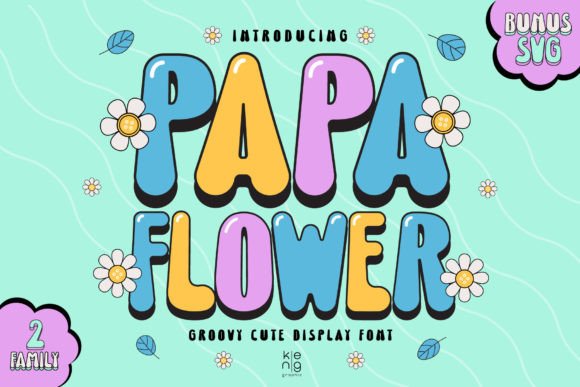
Imagine a font that doesn't just sit quietly on a page but practically jumps off it, radiating energy and confidence. That's the immediate impression of Papa Flower. This isn't your typical, reserved typeface for corporate memos. It's a bold, groovy display font designed with a punch, built for projects that need to be seen and remembered. In a digital landscape saturated with content, the first visual hook is everything. A headline in a generic sans-serif might blend into the background noise, but the same message rendered in Papa Flower's distinctive, high-impact style creates an instant point of recognition. It’s the kind of typeface that understands its job is to make a statement, whether it's announcing a sale, branding a new product, or setting the tone for a vibrant social media campaign.
The Visual Personality of a Groovy Display Typeface
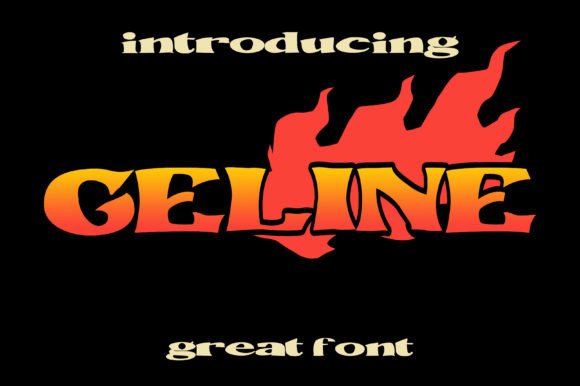
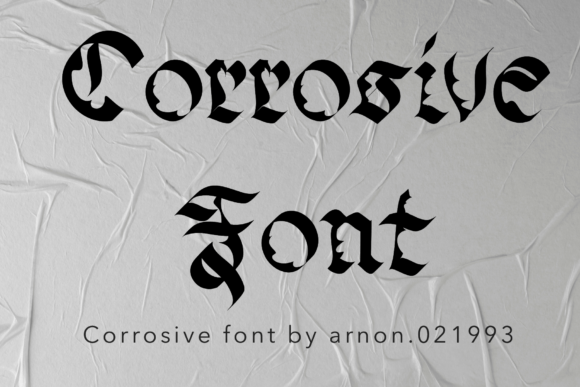
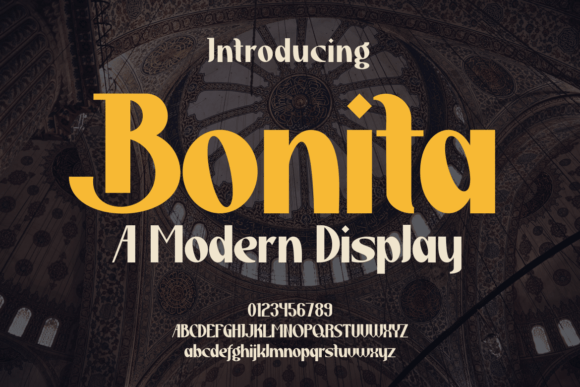
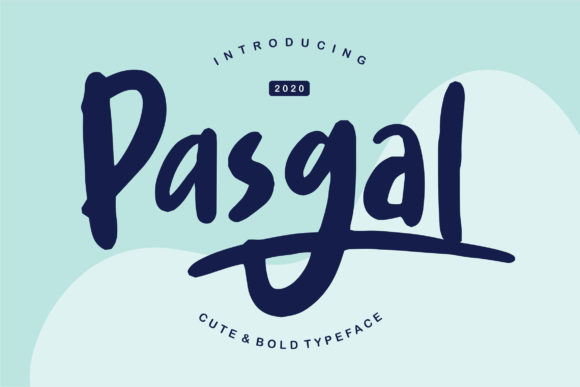
What exactly gives Papa Flower its unique character? At its core, it's a display font, meaning it's optimized for impact at larger sizes, like headlines, logos, and posters, rather than for body text. Its "groovy" style nods to the playful, rounded forms and expressive curves reminiscent of certain retro aesthetics, but it’s executed with a modern crispness. The "great punch" comes from its substantial weight and assertive presence. Each letterform has a confident, almost tactile quality, ensuring that words set in Papa Flower don't just convey a message—they embody an attitude. This makes it a powerful tool for designers and creators who want to inject youthfulness, courage, and a touch of fun into their work. It’s a premium font that doesn't require a design degree to use effectively; its inherent style does much of the heavy lifting for you.
From Brand Identity to Social Media Buzz: Practical Applications
The true test of any creative font is how it performs in real-world scenarios. Papa Flower’s versatility shines across a surprising range of applications, proving its value as a key design asset.
- Branding and Logo Design: For brands targeting a youthful, energetic, or creative audience—think indie game studios, trendy cafes, or streetwear labels—Papa Flower can form the cornerstone of a brand identity. A logo set in this typeface immediately communicates a specific vibe: bold, approachable, and dynamic. It works exceptionally well for logotypes where the company name is the primary visual mark.
- Packaging and Merchandise: On a shelf or in an online store, packaging needs to catch the eye in seconds. Papa Flower excels here, making product names on labels, boxes, or apparel (love shirts, as the description poetically notes) pop with character. It’s perfect for limited-edition releases or brands that want to stand out with a distinct visual voice.
- Digital Presence: In the realm of web design and social media graphics, this font is a secret weapon. Use it for website hero sections, blog post titles, or YouTube thumbnails to instantly boost engagement. Its readability at larger sizes on screens ensures your key message isn't lost. For Instagram stories, Facebook ads, or Pinterest pins, it helps create scroll-stopping content that feels native to the platform's vibrant energy.
- Print and Editorial: Don't limit it to digital. Papa Flower brings life to print materials like event posters, flyer headlines, magazine covers, or chapter titles in a book. It’s also a fantastic choice for invitations to parties, launches, or creative workshops, setting a joyful and anticipatory tone from the first glance.
Smart Pairings and Readability: Using Papa Flower Effectively
While Papa Flower is a star performer, it’s rarely used in isolation. The key to professional typography is contrast and balance. Because it's a high-impact display font, pairing it with a more neutral, readable typeface for body text is essential. A clean sans serif font or a classic serif font often makes an ideal partner. The contrast allows Papa Flower to command attention in headlines while the supporting text remains clear and easy to read for longer passages. This combination enhances both visual consistency and overall readability.
When testing font pairings, consider the mood you're creating. Papa Flower paired with a geometric sans-serif (like Montserrat or Poppins) can feel modern and tech-forward. Paired with a simple, humanist sans-serif (like Open Sans), it might feel more friendly and approachable. Always test the combination in context—view it on a mockup of your actual project, whether it's a website layout or a product label, to ensure the hierarchy is clear and the aesthetics align with your project's goals.
Considering Licensing and Final Thoughts
As with any commercial font, understanding the licensing is a non-negotiable step. Papa Flower, as a premium font, will come with a license that outlines its permitted uses. Before purchasing or downloading, always review the license details carefully. Does it cover the number of projects you need? Is it licensed for digital products (like ebooks or templates) as well as physical merchandise? Clarifying this upfront protects you legally and ensures you're using the asset correctly. Most reputable font marketplaces provide clear licensing information, so take a moment to read it.
Ultimately, Papa Flower is more than just a collection of glyphs; it's a tool for visual communication. It solves a specific problem: the need to make a bold, memorable statement in a crowded visual space. By understanding its personality, applying it to the right projects, and pairing it thoughtfully, you can leverage its groovy punch to elevate your designs, strengthen your brand's recognition, and connect with your audience on a more energetic level. It’s a reminder that sometimes, the right typeface isn't just about reading words—it's about feeling them.