Calpita: The Bold Display Font for Modern Brands
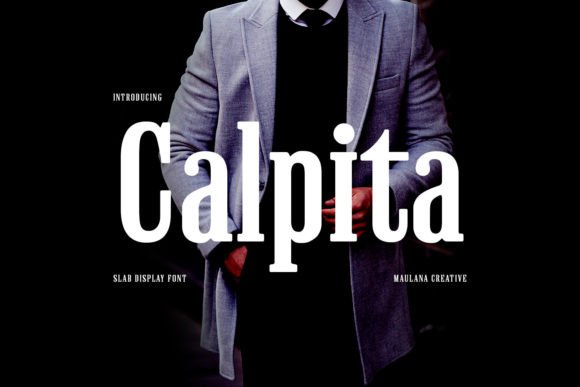
You know the feeling when a design just clicks? It’s not just the colors or the images—it’s the typography that holds it all together, giving the project its voice. If you’ve been searching for a typeface that doesn’t just sit quietly in the background but actually steps forward to make a statement, you need to look at Calpita. It isn’t just another premium font; it’s a tool designed for impact. With its stylish, angular strokes and sharp edges, this display font commands attention immediately. It brings a sense of modernity and energy to your work, adding depth and dimension that flat, generic typefaces simply cannot match.
A Typeface with Angular Energy
When we talk about modern typography, we often look for that balance between legibility and personality. Calpita strikes this balance beautifully. Its design elements are constructed with sharp, geometric precision, giving it a distinct architectural feel. This isn't a soft, round, friendly font; it’s a creative font that feels confident and edgy. The unique construction of the letters adds a visual texture that works exceptionally well in large formats.
For designers and creative entrepreneurs, the visual weight of a font matters. A lightweight script might get lost on a billboard, but Calpita stands its ground. It’s the kind of typeface that anchors a design, making it ideal for scenarios where you need to communicate strength, innovation, or high-end quality. Whether you are working on editorial design or a massive outdoor banner, the sharp edges ensure that your message is delivered with clarity and punch.
Real-World Applications for Maximum Impact
Understanding where to use a font like Calpita is just as important as the font itself. Because it is a display font, it shines brightest in larger sizes. Trying to use it for long blocks of body text might cause readability issues, but when used for headers and short bursts of text, it is unbeatable.
Consider the world of packaging design. If you are launching a new product—whether it’s a high-end skincare line, a craft beverage, or a tech gadget—the packaging is the first touchpoint for the customer. Calpita’s angular style can evoke a sense of precision and luxury. It suggests that the brand inside the box is cutting-edge.
Similarly, in web design, the hero section of your website needs to grab attention within seconds. Using Calpita for your main headline can reduce your bounce rate by visually intriguing the visitor, encouraging them to scroll down. It pairs exceptionally well with clean, minimalist layouts, creating a contrast between the bold typography and negative space.
Strategic Branding and Logo Design
For small business owners and marketers, building a brand identity is about consistency and recognition. A font is a crucial part of that identity. While there are many serif fonts and sans serif fonts available, a distinctive display font like Calpita can become the cornerstone of your visual branding.
In logo design, uniqueness is paramount. You don't want your brand to look like everyone else’s. Calpita allows you to create a logo that feels bespoke without the cost of custom lettering. Its sharp edges translate well to vector formats, ensuring your logo looks crisp on everything from a tiny favicon to a storefront sign. When used in marketing assets—such as flyers, business cards, and pitch decks—it reinforces the brand's visual language, helping to build the trust and recognition that drives business growth.
Pairing Calpita with Other Typefaces
One of the most practical skills in typography is font pairing. A display font rarely works alone; it needs a partner to handle the body text. Because Calpita is so bold and stylized, you want to pair it with something more neutral and legible.
A classic sans serif font is often the best choice here. Think of fonts like Roboto, Open Sans, or Lato. These typefaces are clean and easy to read at small sizes, which balances out Calpita’s intensity in the headlines. Alternatively, a simple serif font can create a sophisticated, editorial look if you are designing for a magazine or a lifestyle brand. Avoid pairing it with another complex display font or a busy script font, as this will create visual chaos and confuse the reader. The goal is contrast: let Calpita be the star, and let the secondary font play a supporting role.
Expanding Your Creative Toolkit
If you are a content creator or blogger, your visual assets are just as important as your written words. Social media platforms like Instagram and Pinterest are highly visual. Using Calpita for your story graphics or quote cards can instantly elevate your aesthetic. It moves your content away from the "generic influencer" look and toward a more curated, professional presentation.
For those involved in creating digital products or print materials—such as planners, invitations, or wall art—this font offers a modern twist. It’s particularly effective for event invitations where you want to set a tone of excitement and exclusivity. Think New Year’s Eve parties, product launches, or modern wedding save-the-dates. The font’s energy translates directly to the mood of the event.
Practical Considerations for Your Project
Before integrating any new design assets into your workflow, there are a few practicalities to consider. First, always review the font styles included in the package. Does it come with different weights or alternates? Knowing this allows you to create hierarchy within your design—using a heavier weight for the main title and a lighter weight for subtitles.
Readability is key. Always test your typography in context. A headline might look great in a design tool, but how does it look on a mobile screen? How does it look printed on textured paper? Take the time to mock up your designs.
Finally, licensing is a critical factor for professionals. Ensure that the commercial font license covers your specific usage. If you are designing a logo for a client, you generally need a license that permits embedding or permanent installation. If you are selling merchandise, you need to ensure the license covers print-on-demand usage. Treating typography as a professional asset means respecting the intellectual property of the designers and ensuring your own projects are legally sound.
Ultimately, choosing a font like Calpita is about making a deliberate choice to stand out. It’s for the designer, the entrepreneur, and the creator who wants their work to feel dynamic and alive. By incorporating this striking typeface into your toolkit, you aren't just picking letters; you are adopting a visual voice that speaks with authority and style. It’s a small change to your asset library that can make a massive difference in how your audience perceives your work.