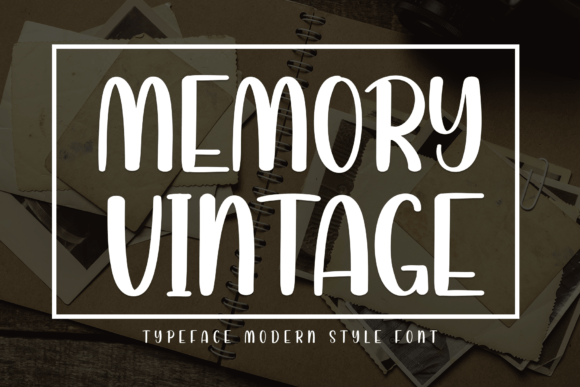
Memory Vintage: The Sweet Display Font for Creative Projects
There’s a special kind of charm in a font that feels both familiar and fresh—the typographic equivalent of a handwritten note tucked into a vintage card. That’s the essence of Memory Vintage, a sweet and friendly display font designed to inject personality into your creative work. If you’ve been searching for a typeface that balances playful elegance with versatile application, this might be the creative asset you didn’t know you needed. Let’s explore how this font can become a secret weapon in your design toolkit.
Understanding the Personality Behind the Typeface
Memory Vintage isn't just another decorative font; it carries a distinct visual voice. Its gentle curves, rounded edges, and slightly retro-inspired letterforms evoke a sense of warmth and nostalgia without feeling outdated. Think of it as a bridge between classic script fonts and modern display typography—it has the approachability of a handwritten font but with the consistency and structure needed for professional use. This makes it particularly effective for projects where you want to convey authenticity, creativity, or a touch of whimsy. Unlike overly formal serif fonts or stark sans serif fonts, Memory Vintage sits in a delightful middle ground, making it adaptable to a surprising range of contexts.
Where This Display Font Truly Shines: Practical Applications
The real value of any premium font lies in how you use it. Memory Vintage excels in scenarios where you need to grab attention while maintaining a friendly, approachable vibe. Here’s where it can make a significant impact:
- Invitations and Event Materials: Its sweet, legible style is perfect for wedding invitations, baby shower cards, or birthday party details. It sets a joyful tone immediately.
- Branding and Logo Design: For small businesses, boutiques, bakeries, or artisan brands, this font can form the core of a memorable logo. It helps build brand recognition by being distinctive yet readable.
- Packaging Design: Imagine this font on a label for homemade jams, candles, or craft supplies. It communicates care and quality, enhancing the unboxing experience.
- Social Media Graphics: In a crowded feed, a font with personality stands out. Use Memory Vintage for Instagram quotes, Facebook ads, or Pinterest pins to boost engagement and shareability.
- Web and Blog Headers: While body text usually requires a more neutral font, a display font like this can create striking headers or call-to-action buttons on websites and blogs, guiding the reader’s eye effectively.
- Print Materials and Posters: From flyers and postcards to inspirational posters, its high-impact style ensures your message is seen and felt.
- Merchandise and Digital Products: Think about tote bags, mugs, or digital planners. A fun font adds perceived value and makes products feel more curated and personal.
Strategic Benefits: More Than Just Good Looks
Choosing a font like Memory Vintage is a strategic decision that can improve several aspects of your project’s effectiveness. First, it enhances visual consistency. When you use a distinctive font across your materials—social media, website, and print—it creates a cohesive brand identity that people start to recognize. This directly boosts brand recognition. Second, despite being a display font, it maintains excellent readability at larger sizes, which is crucial for headlines and short blocks of text. You want people to enjoy looking at your design and also understand your message instantly. Finally, it contributes to a professional presentation. Using a well-crafted, premium font shows attention to detail, which builds trust with your audience, whether they’re clients, customers, or followers.
Making It Work: Practical Tips for Implementation
Integrating a new font into your workflow requires a bit of thought to ensure it works harmoniously with your other design elements. Here’s some practical advice:
- Pairing is Key: Memory Vintage is a display font, so it pairs best with simpler, more neutral companions. Try combining it with a clean sans serif font for body text or a minimalist serif font for subheadings. Test different combinations to see what feels balanced. For example, its sweet curves might contrast beautifully with a geometric sans serif.
- Consider the Context: Always match the font to your project’s goal. Is it for a playful children’s brand or a romantic wedding? The font’s inherent sweetness might lean more toward certain industries. Test it at the size you intend to use—what looks charming on a business card might need adjustment for a large poster.
- Explore the Included Styles: Often, a quality font family comes with multiple weights or alternates. Check if Memory Vintage includes light, regular, and bold versions, or stylistic alternates. These variations give you more creative flexibility to create hierarchy and emphasis in your designs.
- Check Licensing: Before using any font for commercial work, ensure you have the correct license. Most premium fonts for commercial use require a license that covers your specific use case, whether it’s for a client project, merchandise for sale, or digital products. This is a critical step to avoid legal issues.
In the end, the best way to know if a font is right for you is to experiment. Download a test version if available, mock up a few designs, and see how it feels in action. Does it capture the spirit of your brand? Does it make your message clearer and more engaging? If you’re working on projects that thrive on personality and warmth, Memory Vintage could very well be the missing piece that brings your creative vision to life. It’s a reminder that in design, the right typeface doesn’t just display words—it communicates a feeling.